
When Two Defensive Layers Fail
When the clear, dome-shaped window at the front of your eye (the cornea) and the protective membrane lining your eyelids (the conjunctiva) become inflamed at the same time, it results in a condition known as keratoconjunctivitis.
Think of these two layers as your eye’s natural defense shields against dust, bacteria, and environmental debris. Because this condition strikes both layers simultaneously, it requires swift, precise medical evaluation to protect your eyesight. Kuala Lumpur’s advanced ophthalmology centers are highly equipped to diagnose the root cause and provide targeted treatments to restore your ocular health.
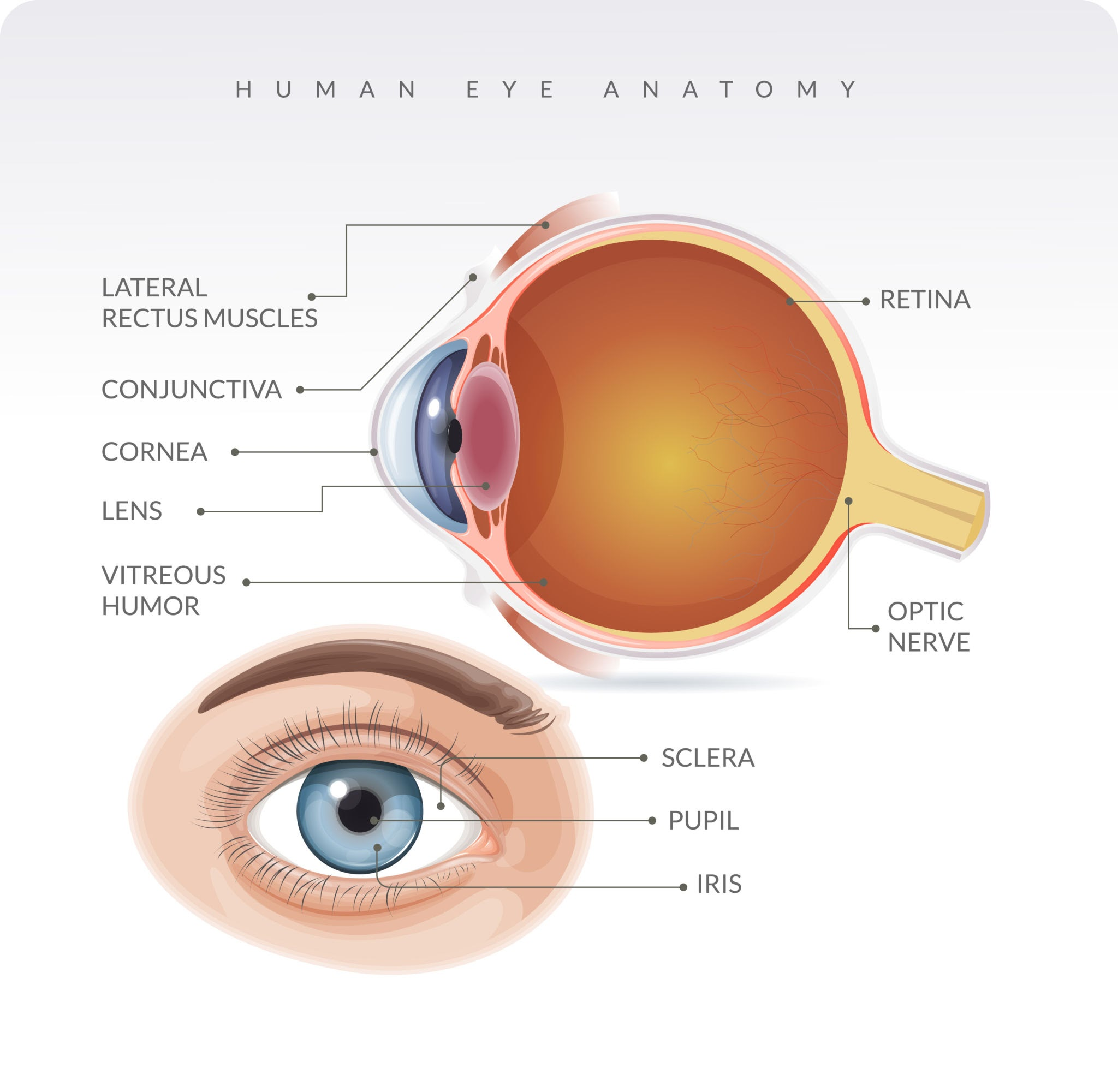 Anatomy of the Cornea and Conjunctiva. Source: Shivendu Jauhari / Getty Images
Understanding the Symptoms: More Than Just "Pink Eye"
While regular conjunctivitis ("pink eye") and keratitis share overlapping symptoms, they affect your eyes differently. Recognizing the combination is key to understanding why keratoconjunctivitis requires specialized care:
| Condition | Affected Area | Primary Symptoms | Vision Impact |
|---|---|---|---|
| Conjunctivitis | Conjunctiva (eyelid lining) | Redness, itching, gritty sensation, watery discharge | Typically normal; vision remains clear |
| Keratitis | Cornea (clear front layer) | Deep eye pain, extreme light sensitivity, feeling of a foreign object | Significant; causes blurry or impaired vision |
When both conditions merge into keratoconjunctivitis, you experience a compound effect: intense discomfort, deep aching pain, redness, and a high risk of temporary or permanent vision changes.
What Triggers the Condition?
The treatment path depends entirely on what caused the inflammation. Common triggers include:
Infections: Bacterial, viral (like adenovirus), or fungal invasions.
Allergies: Severe environmental or seasonal allergic reactions.
Trauma: Physical eye injuries or microscopic foreign objects (like sand, dust, or metal shavings) trapped under the eyelid.
Severe Dry Eye: Chronic lack of tear production leaving the eye's surface vulnerable.
Key insight: The deeper an infection penetrates through the epithelium and into the stroma, the higher the risk of permanent scarring and vision loss.
Treatment Pathways in Kuala Lumpur: Medical & Surgical Options
Ophthalmologists (eye specialists) in Kuala Lumpur utilize a tiered treatment approach based on the severity and root cause of your infection.
1. First-Line Therapy: Targeted Medicated Eye Drops
For most patients, non-invasive medication is highly effective if the condition is caught early.
How it works: Your specialist will prescribe customized eye drops depending on the diagnosis—antibiotics for bacterial infections, antifungals for fungal cases, or antihistamines and mild steroids to calm allergic flare-ups.
The Benefits: Directly delivers fast-acting, localized relief to the surface of the eye without systemic side effects.
The Challenges: If bacterial infections are treated incorrectly or drops are stopped too early, the bacteria can become drug-resistant.
Recovery Window: The duration varies from a few days to several weeks. Your doctor will establish a strict daily schedule that you must follow precisely.
2. Advanced Therapy: Corneal Transplant (Keratoplasty)
When an infection is highly aggressive, resistant to medication, or causes permanent scarring or tearing (perforation) of the cornea, surgical intervention becomes necessary to save your vision.
How it works: The surgeon gently removes the damaged, clouded section of your cornea and replaces it with healthy, clear corneal tissue from a verified donor.
The Benefits: Highly successful at restoring clarity of vision, eliminating deep-seated pain, and resolving infections that medications cannot cure.
The Risks: As with any surgery, minor risks of localized bleeding or infection exist. There is also a small risk of graft rejection, where your body's immune system flags the new tissue.
Recovery & Logistics: This procedure usually requires a 2 to 3-night hospital stay for monitoring at specialized KL centers.
Important Guidelines for Traveling Patients
If you are traveling to Kuala Lumpur for specialized eye care, there are critical logistical steps to factor into your trip:
Restricted Air Travel: You must avoid flying immediately after eye surgery. Changes in aircraft cabin pressure can negatively impact the healing eye, especially if specific surgical techniques were used.
The One-Week Rule: Plan to stay locally in KL for approximately one week following a major procedure. This allows your ophthalmologist to conduct essential post-operative check-ups, monitor for early rejection signs, and safely clear you for your flight home.
Your Next Step
Because treating eye inflammation incorrectly can lead to permanent corneal scarring, self-medicating with over-the-counter drops is highly discouraged. If you are experiencing persistent eye pain, redness, or changes in your vision, schedule a consultation with a qualified Ophthalmologist in KL for an accurate diagnostic scan and a tailored recovery plan.