
Why Post-Op Physical Therapy is Non-Negotiable
A Total Knee Replacement physically replaces the damaged bone and cartilage, but the surgery itself is only half of the solution. Physical therapy is what actually restores your movement.
Without consistent, progressive rehabilitation, the surrounding muscles will remain weak. More importantly, rapidly forming scar tissue can act like glue, permanently limiting the new artificial joint's range of motion. In Malaysia's leading private hospitals, physiotherapy protocols typically begin within 24 hours of waking up from surgery.
The Standard Week-by-Week Rehabilitation Protocol
While every patient heals at their own pace, orthopedic surgeons and physiotherapists generally follow this structured clinical timeline to track recovery milestones safely:
Weeks 1–2: Acute Healing & Early Mobility
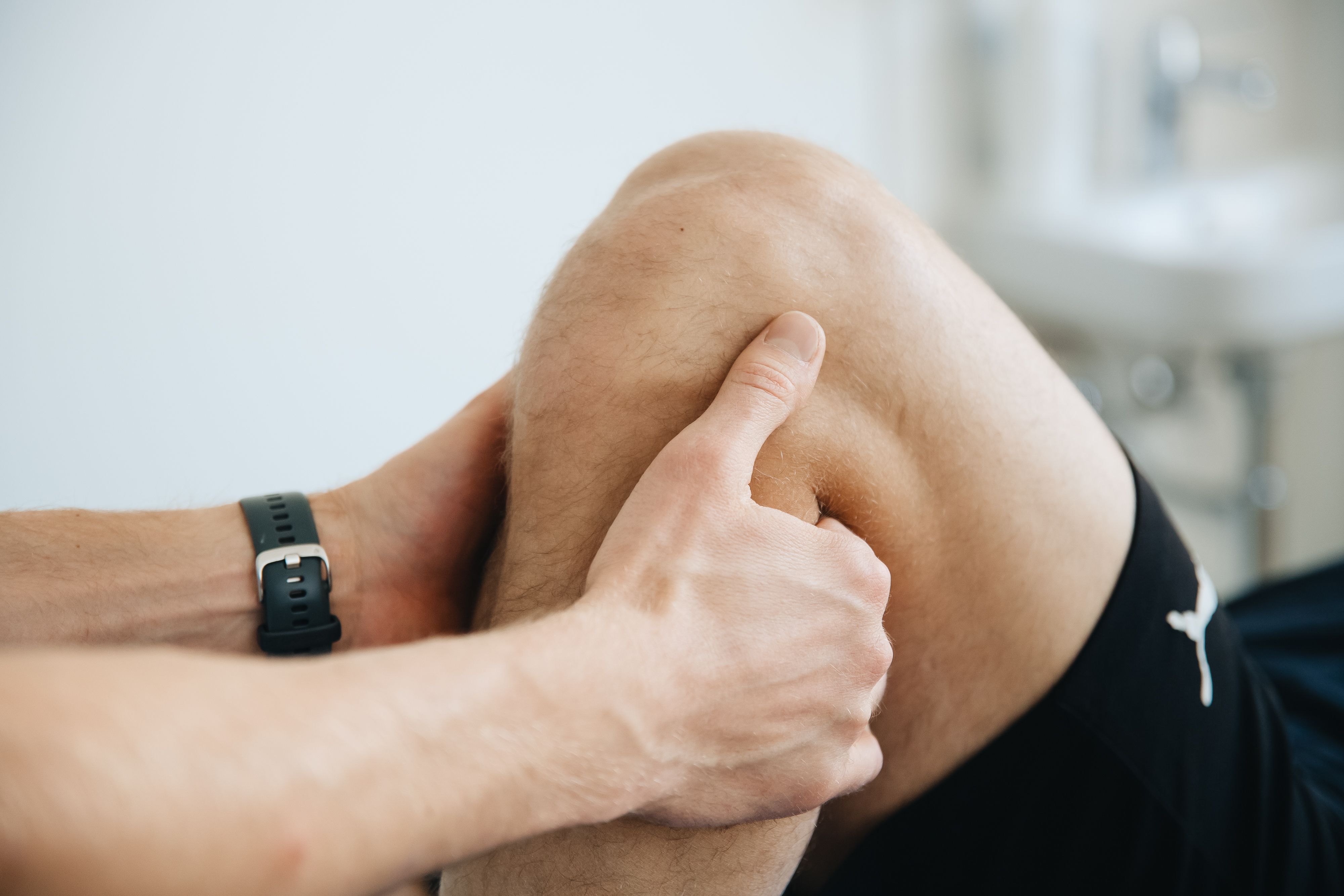
Primary Goal: Control swelling, prevent blood clots, and achieve a 90° knee bend.
Physical therapy begins before you even leave your hospital room in KL. The immediate focus is on reactivating the quadriceps, which essentially "shut down" due to surgical trauma.
- Key exercises: Ankle pumps, gentle heel slides (to encourage bending), and straight leg raises.
- Milestone: Transitioning from a walker to crutches or a cane, and mastering basic transfers (like getting safely in and out of a chair).
- Critical focus: Achieving full, flat knee extension is just as important as bending. If you rest with a pillow directly under your knee, scar tissue can permanently lock the joint in a slightly bent position.
Weeks 3–6: Progressive Weight-Bearing
- Primary Goal: Reach 110° of flexion, normalize the walking gait (eliminating the post-op limp), and transition off heavy pain medication.
As the acute swelling subsides, therapy shifts from passive healing to active strengthening to support the new artificial joint.
- Key exercises: Wall slides, low step-ups, and resistance-band work to engage the quadriceps and hip abductors.
- Milestone: Walking short outdoor distances unassisted, navigating stairs with a handrail, and (with surgeon clearance) returning to driving.
Weeks 7–12: Functional Recovery & Independence
- Primary Goal: Build endurance and return to normal daily work and light recreational activities.
Your new artificial joint lacks the natural nerve endings of your original knee, meaning your brain needs to relearn how to balance and stabilize the leg dynamically (proprioception).
- Key exercises: Mini squats, seated leg presses, and balance board training.
- Milestone: Climbing stairs normally (alternating legs step-by-step) and beginning low-impact cardiovascular exercises like stationary cycling, swimming, or golf.
Top Facilities for Orthopedic Rehabilitation in Kuala Lumpur
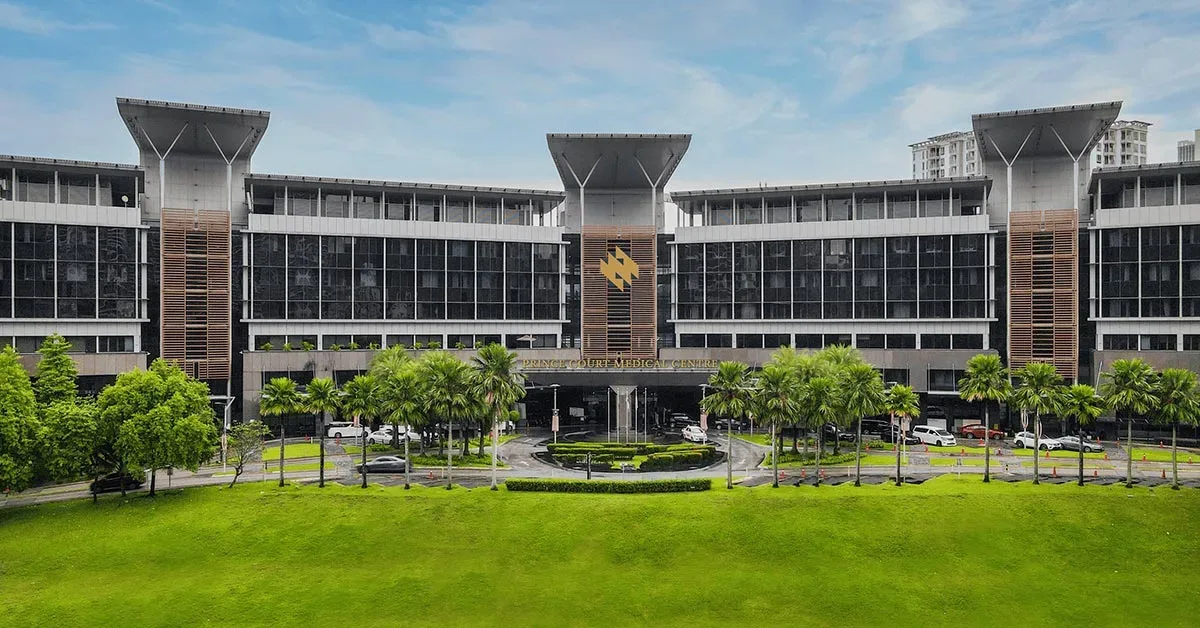
For international medical tourists and locals alike, transitioning from hospital care to outpatient physiotherapy is seamless in Kuala Lumpur. The city is home to internationally accredited sports medicine and rehabilitation centers that cater to post-arthroplasty recovery:
- Kuala Lumpur Sports Medicine Centre (KLSMC): An AFC-recognized Medical Centre of Excellence that applies elite sports injury rehabilitation techniques to joint replacement recovery, focusing on rapid mobility and proprioception.
- Prince Court Medical Centre: Features a dedicated Physiotherapy and Rehabilitation Medicine Centre equipped with advanced modalities, hydrotherapy pools, and collaborative care loops directly with the operating orthopedic surgeons.
- Sunway Medical Centre Velocity: Offers dedicated spinal and joint rehabilitation packages, utilizing modern equipment to safely progressively load the new knee joint.
Practical Tips for Your Recovery Journey
To optimize your healing during the critical first month at home or in your local recovery hotel:
- Manage Swelling Religiously: Use ice packs for 20 minutes at a time, several times a day, especially after your therapy sessions. Keep the leg elevated above heart level when resting.
- Do Not Push Through Sharp Pain: Muscle fatigue and stiffness are normal during exercises; sharp, stabbing pain is not. Communicate openly with your physical therapist.
- Pace Yourself: Healing consumes massive amounts of metabolic energy. Eat a protein-rich diet and do not skip your afternoon rest periods.