
The Hidden Mechanics of Cross-Border Care: What Medan & Surabaya Medical Tourists Miss About Malaysia
Most medical tourism articles targeting patients from Medan and Surabaya read like travel brochures. They talk about the short flight over the Malacca Strait, the modern shopping malls near hospitals in Kuala Lumpur, and the absence of a harsh language barrier.
But if you are seriously considering traveling to Malaysia for a complex surgical procedure, an advanced diagnostic workup, or fertility treatment, you do not need more lifestyle copy. You need to understand the invisible operational, regulatory, and physiological mechanics of cross-border healthcare.
When medical travel goes wrong, it is rarely because the surgeon lacked skill; it is because the patient encountered a hidden systemic friction point between the Indonesian and Malaysian medical ecosystems. Let’s pull back the curtain on what actually dictates a successful outcome.
1. The Diagnostic Arbitrage: Why Re-Testing in Malaysia is Regulatory, Not Financial
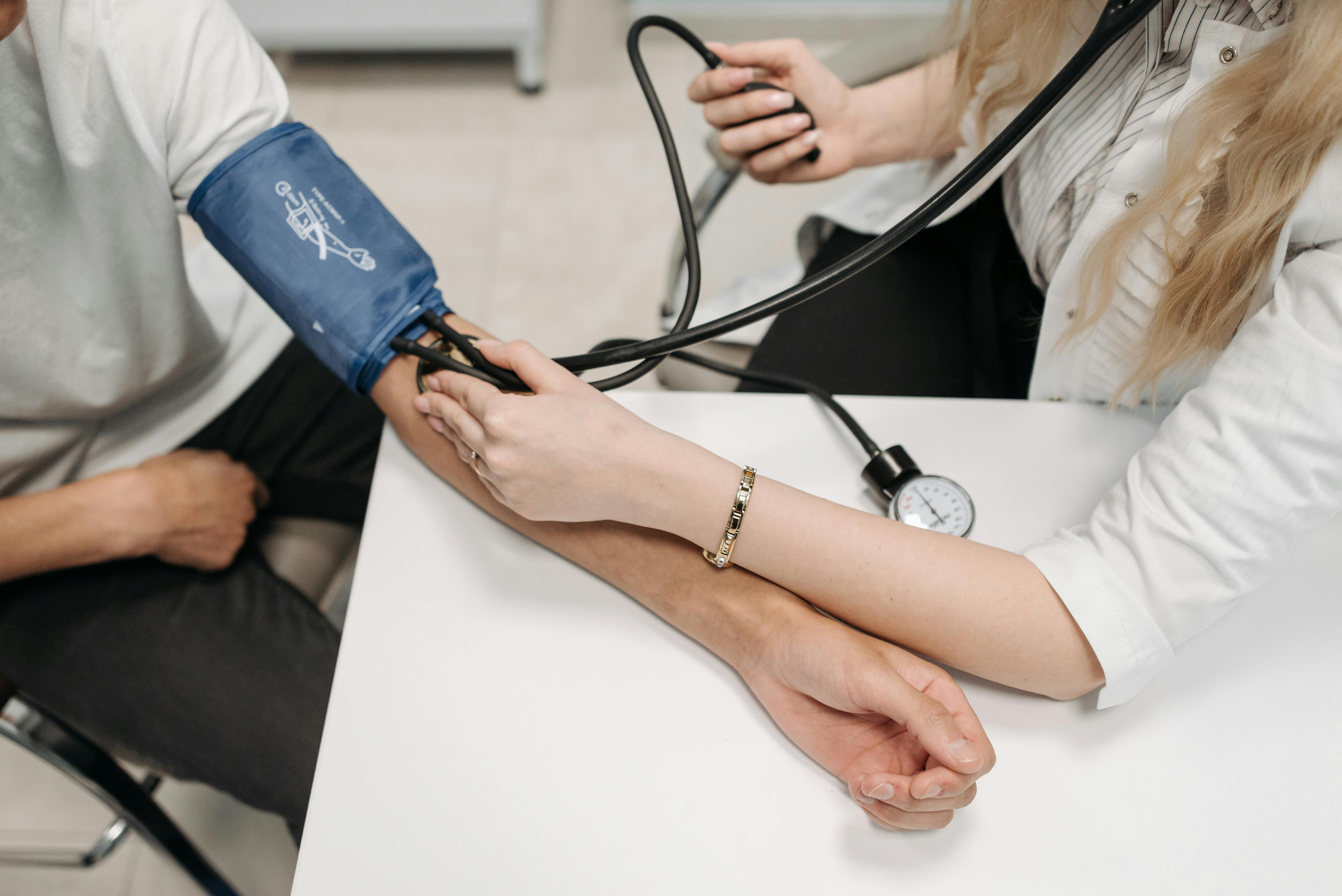
A common point of frustration for patients arriving in Penang or KL from Surabaya or Medan is the "Re-Testing Paradox." You have already paid for expensive blood panels, MRIs, or tissue biopsies at home, yet the Malaysian hospital insists on running them again.
This isn't a cash grab. It is an issue of laboratory harmonization and liability.
- Calibration and Reference Intervals: Automated lab equipment across different countries utilizes different assays and reference ranges. A specific hormone or enzyme level flag in East Java may not align with the calibration standards required by a Malaysian anesthesiologist or oncologist preparing for an intervention.
- The Chain of Custody: Malaysian private hospitals operate under strict clinical governance frameworks enforced by the Ministry of Health. For high-stakes decisions—like mapping a cardiac catheterization or dosing IVF stimulation drugs—the treating physician legally requires a data chain of custody verified by an accredited laboratory (such as those holding MSQH or College of American Pathologists certification).
What this means for you:
Do not view your local Indonesian scans as wasted money; view them as a "triage map." They allow the Malaysian specialist to pre-approve your candidacy via telemedicine. However, always factor a 24-to-48-hour diagnostic buffer into your itinerary for local recalibration.
2. The Pharmaceutical Customs Wall: Returning via Juanda or Kualanamu
While getting your treatment in Malaysia is seamless, bringing your recovery protocol back into Indonesia introduces an overlooked legal bottleneck.
If you undergo orthopedic surgery, reproductive therapy, or advanced regenerative care, you will likely be discharged with highly specialized medications—such as low-molecular-weight heparin (blood thinners), hormone injections, or high-tier controlled analgesics.
- Malaysian discharge pharmacy — you receive specialized recovery medications at discharge.
- Documentation — prescriptions must list generic drug names (not Malaysian brand names only) on formal hospital letterhead.
- Indonesian customs (BPOM / airport inspection) — officials at Juanda and Kualanamu screen all imported pharmaceuticals.
Indonesian customs officials at Juanda International (Surabaya) and Kualanamu International (Medan) strictly monitor the import of foreign pharmaceuticals. If you carry unmarked vials, syringes, or large quantities of unverified pills without the correct documentation, your essential recovery medications risk being confiscated.
The Border-Proof Medication Protocol:
- The Generic Name Mandate: Ensure your discharge summary lists the generic chemical names of the drugs, not just the Malaysian brand names (e.g., Enoxaparin instead of just the brand label).
- The Quantified Script: Request a formal, signed physical prescription that explicitly states the exact dosage and the required duration (e.g., "30-day supply for post-operative recovery"). This proves to customs that the quantities match personal medical necessity.
3. Aviation Physiology: The Post-Op Cabin Pressure Risk
The flight from Kuala Lumpur to Medan is incredibly short—roughly one hour. The flight to Surabaya is around two and a half hours. Because these flights feel like quick domestic hops, patients frequently underestimate the physical impact of commercial air travel on a freshly operated body.
A commercial aircraft cabin is typically pressurized to an altitude equivalent of 6,000 to 8,000 feet above sea level. This shift in atmospheric pressure triggers subtle but critical changes in human physiology:
The Realities of Flying Post-Surgery
| Physiological factor | Internal mechanism | Clinical consequence |
|---|---|---|
| Gas expansion (Boyle's law) | Trapped surgical gases from laparoscopic or endoscopic procedures expand at cabin altitude | Can tension internal sutures after laparoscopic or abdominal surgery |
| Blood hypercoagulability | Low cabin humidity plus immobility accelerates blood stasis | Raises DVT risk after major joint replacement |
| Micro-vascular edema | Pressure changes alter fluid dynamics in tissue beds | Increases swelling under tight post-op garments or casts |
An experienced surgical team will not clear you to fly based on how well you can walk down a hallway; they evaluate your internal physiological stability. If your procedure involves the introduction of surgical gas or extensive deep-tissue disruption, your safe travel window might require a mandatory 5-to-7-day local ground recovery period before boarding.
4. The Collaborative Continuum: Eliminating the Clinical Void
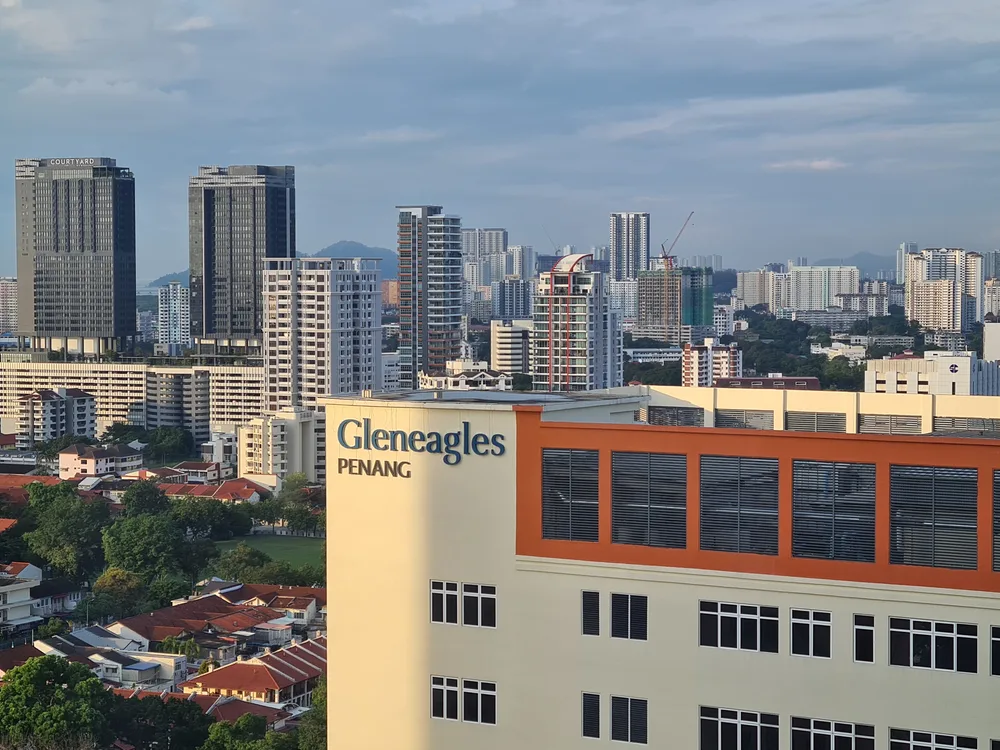
The greatest risk to any medical tourist occurs the moment they step off the plane back in Indonesia. If your Malaysian surgeon and your local Indonesian physician do not communicate, you are left to manage your own continuity of care.
If an incision looks slightly inflamed three weeks post-op, or if your post-IVF hormone levels fluctuate, walking into a local emergency room in Sumatra or Java without a structured handover can lead to disjointed care. Local doctors may be reluctant to modify a specialized care plan established by an overseas provider.
True authority in medical travel rests on building a collaborative continuum. Your foreign specialist should not replace your local doctor; they should act as an extension of your healthcare network.
Redefining Your Journey with MedBay
At MedBay, we refuse to treat medical travel as a simple booking transaction. We understand the hidden mechanics—the lab calibrations, the international pharmaceutical laws, and the complex realities of post-operative recovery.
We don't just connect you with a doctor in Malaysia; we architect a secure, end-to-end clinical loop. We facilitate the exchange of complex medical data before you leave Medan or Surabaya, ensure your paperwork satisfies both clinical and border customs requirements, and coordinate structured handovers for your local follow-up care.
By managing the invisible variables, MedBay ensures your medical journey is defined by predictable clinical success rather than logistical surprises.
Are you ready to look past the standard travel checklists and map out a clinically secure medical plan in Malaysia? Contact the MedBay care team today for an objective, comprehensive evaluation of your medical itinerary, custom-tailored to your unique health profile and family logistics.