
Traveling with Diabetes: Managing Blood Sugar Across Time Zones and Long Journeys
Why Travel Affects Blood Sugar
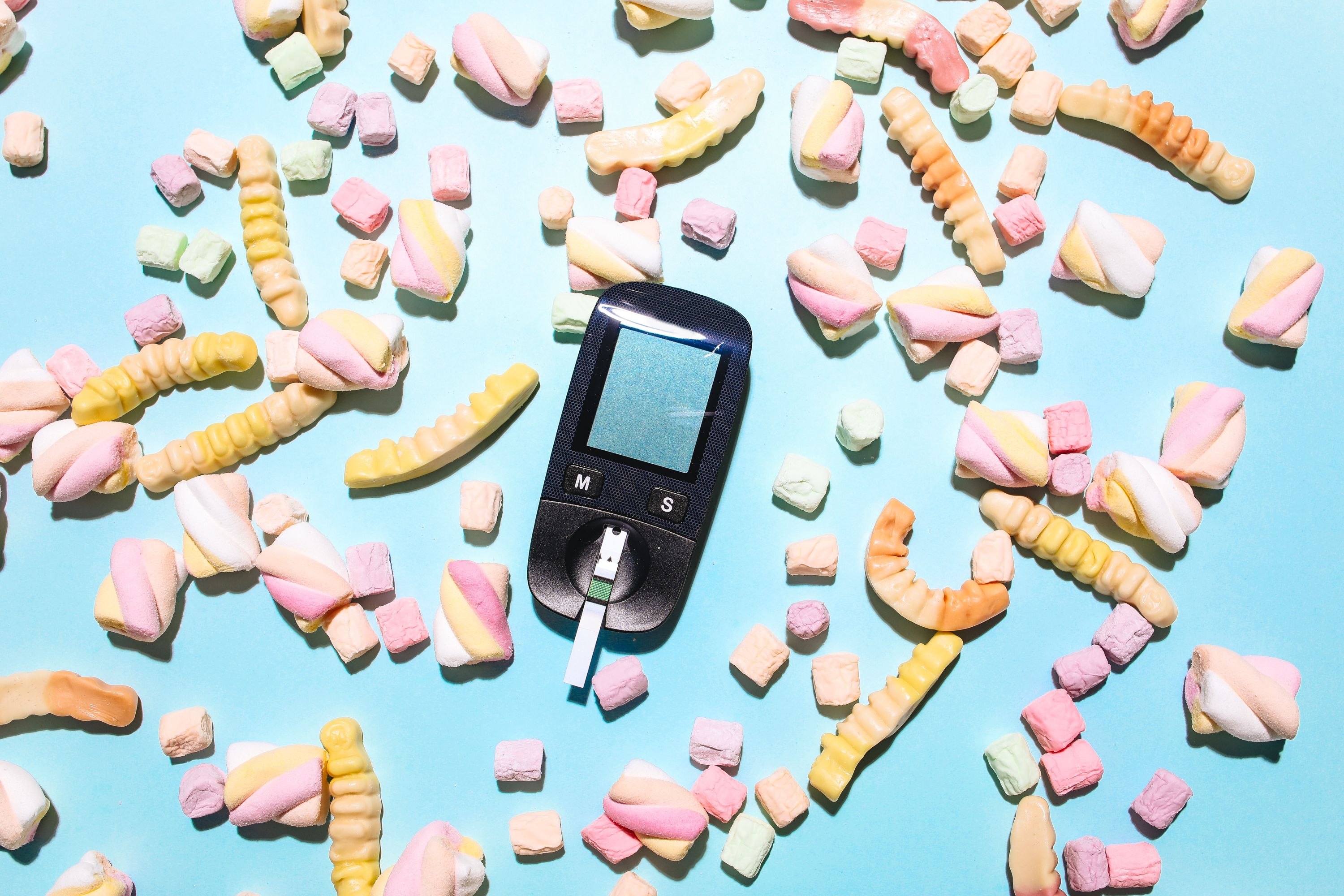
Travel places additional stress on the body. Even positive excitement can influence blood glucose levels. Common travel-related factors that disrupt your baseline include:
- Irregular meal schedules: Flight delays and unpredictable airline service can cause sudden glucose spikes or drops.
- Prolonged inactivity: Sitting for 10 to 15 hours on a long-haul flight reduces your body's insulin sensitivity.
- Dehydration: Airplane cabins are exceptionally dry environments, which can concentrate blood glucose levels.
- Circadian disruption (Jet Lag): Crossing time zones throws off your body's natural hormone secretion. The physical symptoms of jet lag (fatigue, irritability, poor concentration) can also closely mimic the symptoms of hypoglycemia.
Pre-Trip Preparation Checklist
Preparation is essential when traveling internationally. Schedule a consultation with your endocrinologist at least one month before departure to review your specific regimen.
Before flying to Malaysia, ensure you have organized the following:
- Secure the supplies: Pack an appropriate amount of insulin, test strips, and continuous glucose monitor (CGM) sensors you think you'll need, and add more on top of that in case of delays.
- Carry-on storage: Never pack insulin in checked luggage. Cargo holds can reach denaturing temperatures that destroy insulin. Keep it in an insulated cooler bag in your carry-on, but ensure the vials do not touch the ice pack directly.
- Medical documentation: Carry a doctor’s letter explaining your condition, your exact medication list, and a medical ID bracelet.
- Transit snacks: Keep fast-acting carbohydrates (glucose tablets, juice) and complex snacks (nuts, protein bars) in your personal bag to manage unexpected lows during transit.
Adjusting Insulin Across Time Zones
Crossing time zones is the most complex part of traveling with diabetes. If your time difference is less than 3 to 4 hours, you can generally stick to your home injection schedule.
However, traveling to Malaysia from North America or Europe involves significant time jumps. Here is the standard clinical approach for adjusting basal (long-acting) insulin:
| Direction of travel | Impact on your day | Insulin strategy |
|---|---|---|
| Westward (e.g. US → Asia) | Lengthens the day | Usually requires more basal insulin to cover extra hours |
| Eastward (e.g. Europe → Asia) | Shortens the day | Usually requires less basal insulin to avoid stacking and hypoglycemia |
Managing Blood Sugar During Long Flights
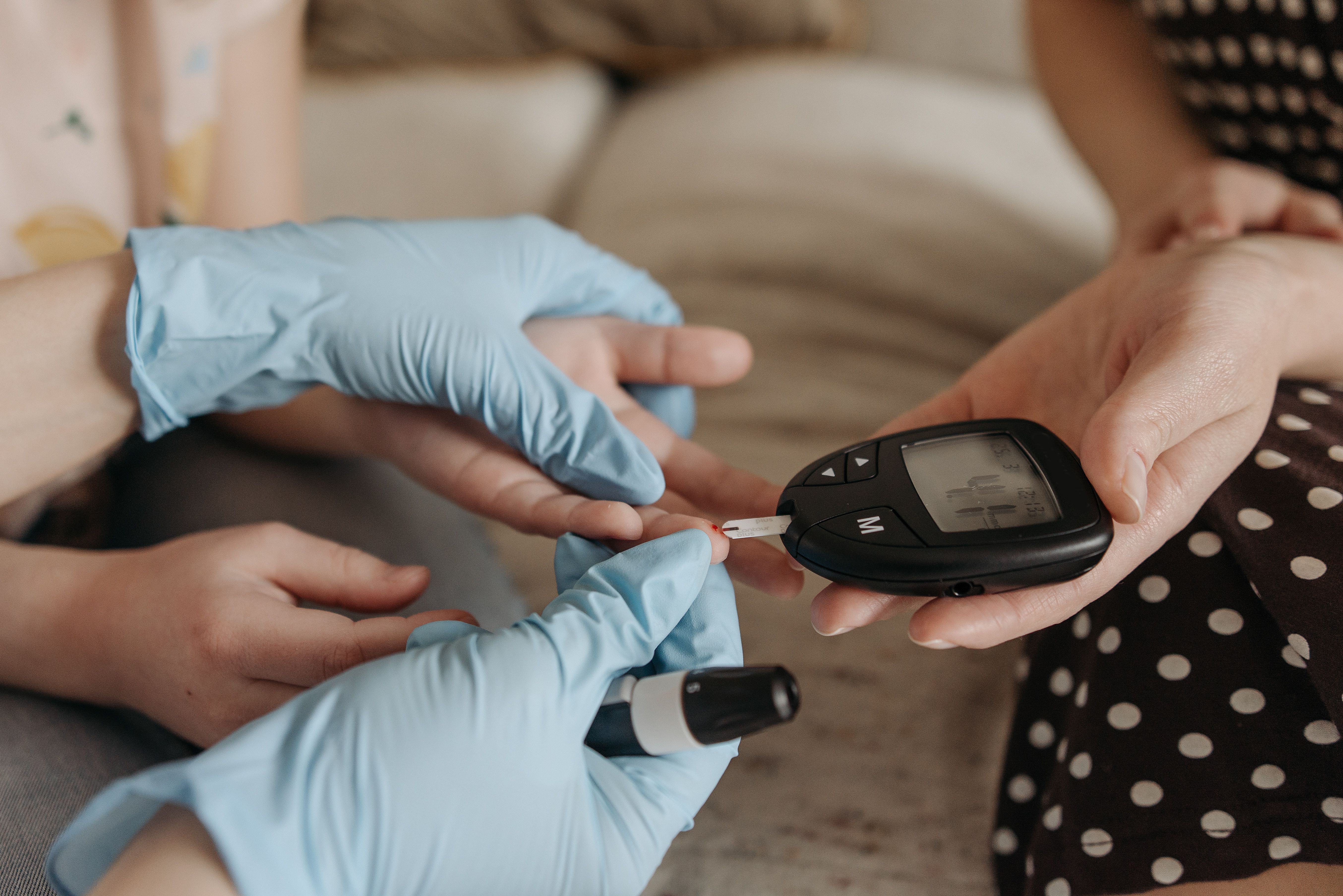
Long-haul travel requires active management. To keep your levels stable in the air:
- Hydrate constantly: Drink plenty of water. Avoid excessive alcohol or caffeine, which compounds dehydration.
- Monitor Mindfully: Check your glucose every 4 hours. If using a CGM, ensure your receiver or smartphone is fully charged before boarding.
- Eat a balanced pre-flight meal: Eat a solid, low-glycemic meal at home before heading to Kualanamu or Juanda to ensure your blood sugar and energy levels remain stable from check-in to touchdown.
Eating Well and Seeking Care in Malaysia
Malaysia is celebrated for its diverse food culture, blending Malay, Chinese, Indian, and international influences. While some local favorites are carbohydrate-heavy or use sweetened condensed milk, you do not have to miss out. Opt for clear soup noodles, steamed fish, or grilled dishes (like satay), and simply monitor your rice portions.
World-Class Medical Support
Malaysia remains a powerhouse for medical tourism—highlighted by its hosting of major clinical events like the Diabetes Malaysia Conference 2026. Major private hospitals in Kuala Lumpur, Penang, and Johor Bahru feature English-speaking endocrinologists, high-tech diagnostic labs, and dedicated international patient centers.
Whether you are recovering from an elective surgery, seeking dental treatments, or requiring a routine diabetes check-up while on vacation, you will have access to world-class, affordable care.