
The Unspoken Friction Points of Cross-Border Care: A Strategic Guide for Medan & Surabaya Patients
When patients from Medan or Surabaya consider cross-border treatment, the narrative is almost always dominated by convenience. Amidst the momentum of the Malaysia Year of Medical Tourism (MYMT 2026) and its core philosophy of "Healing Meets Hospitality," it is easy to focus entirely on the seamless travel corridors, short flights, and world-class hospital lobbies in Penang and Kuala Lumpur.
However, clinical excellence isn't built on hospitality alone. It is determined by how well a patient navigates the invisible structural boundaries between the Indonesian and Malaysian medical systems.
For a medical journey to be truly successful, patients must look beyond standard travel tips and address three non-typical operational variables that directly impact clinical outcomes.
1. The EMR Black Hole: Bridging Local Data and Malaysian Hospital Systems
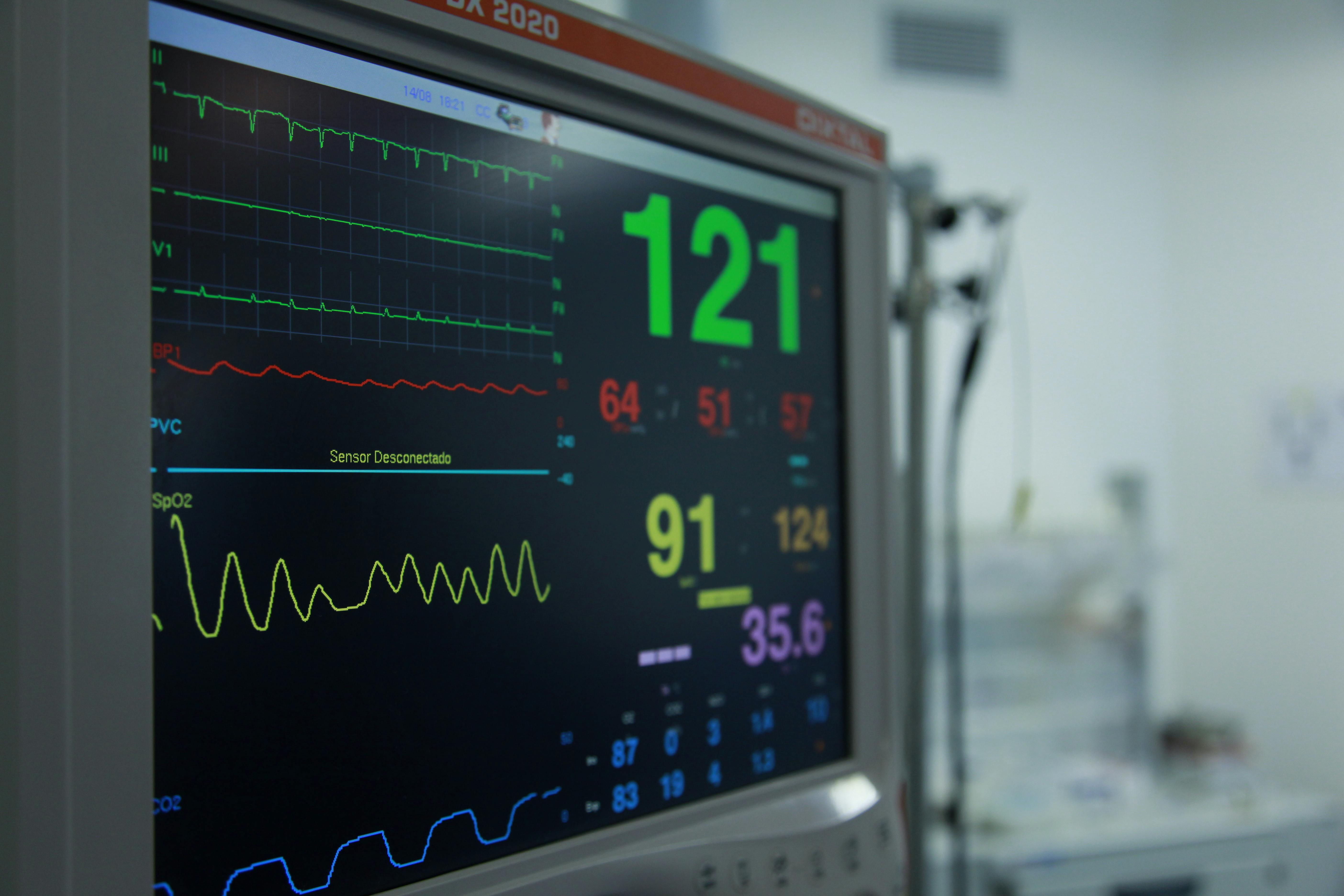
Photo by Carlos Cruz on Pexels
Indonesia has made massive strides in digital healthcare, standardizing electronic medical records (EMR) across thousands of domestic facilities. However, when you fly out of Kualanamu or Juanda, that digital continuity hits an international data border.
Malaysian private hospitals utilize their own highly secure, localized EMR ecosystems. Because there is no automated cross-border data handshake between the national systems, international patients frequently fall into a data black hole. Crucial longitudinal health data—such as micro-trends in your blood pressure over six months, specific localized antibiotic resistance patterns, or subtle genomic markers in previous oncology assays—can easily be left behind.
The Interoperability Protocol
To prevent your Malaysian surgical team from flying blind, you need to gather the right physical and digital documents before you leave. Do not rely on handwritten notes or verbal summaries:
- Request a "Resume Medis": Ask your local Indonesian doctor or hospital for an official Medical Resume (Resume Medis). This is a standard document that summarizes your primary diagnosis, recent procedures, and current treatment plan.
- Secure Your Scans & Labs: Ensure that any recent blood work is provided as a clear PDF or printed copy. More importantly, insist that any MRIs, CT scans, or X-rays are given to you on a CD or USB drive. Malaysian hospitals need the raw imaging files, not just the paper report of the scan.
The Diagnostic Delta
Medical terminology and drug branding do not always translate perfectly across the Malacca Strait. To ensure nothing is lost in translation during your first telemedicine consult or admission:
- The Pharmacy Audit: Do not try to translate your medical history into complex clinical terms. Instead, gather the physical packaging, foil push-packs, or bottles of every medication and supplement you take. If you cannot bring them, take clear photos of the labels showing the exact generic chemical names and dosages.
- Flagging Allergies & Sensitivities: Write down a clear, simple timeline of any adverse reactions you have had to previous surgeries, anesthesia, or specific antibiotics.
2. The Bioethical and Consumable Match: Vetting Implants and Tissue Grafts
A heavily overlooked aspect of cross-border surgery involves the specific medical consumables, implants, and biological matrices used during complex interventions. This is particularly critical in specialized fields like advanced orthopedics, cardiac valve replacements, tissue reconstructions, and reproductive medicine (IVF).
Different nations maintain varying supply chains and regulatory approvals for biological materials. For patients from Medan and Surabaya who place a high priority on Halal compliance or specific bioethical frameworks, assumptions can lead to unexpected post-operative distress. For instance, certain surgical meshes used in hernia repairs, biological tissue scaffolds used in reconstructive surgeries, or stabilizing agents used in advanced cell therapies may utilize porcine-derived components or specific animal matrices.
Proactive Supply Chain Vetting

Photo by cottonbro studio on Pexels
Because Malaysia has a highly advanced Syariah-compliant healthcare framework, these options are widely available—but they are not always the automatic default for international patients unless explicitly requested.
Verification Flow: Surgical Need ➔ Check Supply Chain Source ➔ Verify Porcine-Free / Halal Registry
3. The Airport-to-O.R. Pipeline: Circadian Stress and Immunity
Due to the exceptional proximity of the Medan-Penang corridor (a short 45-minute flight) and direct routes from Surabaya, many patients attempt to optimize their schedules by matching tight flight timelines directly with hospital admission hours. This creates a hidden physiological risk factor: acute travel-induced immune suppression.
Waking up at 3:00 AM to catch an early flight, navigating international security, and dealing with border cross-pressures triggers a significant spike in your body's cortisol and adrenaline levels.
The Physiological Shift
| Patient State | Cortisol & Adrenaline Levels | Systemic Impact on Surgery |
|---|---|---|
| Immediate Same-Day Admission | Elevated due to sleep disruption and travel stress. | Disrupts immediate peri-operative glycemic control, which can delay early wound healing and increase surgical site infection risks. |
| 24-Hour Ground Buffer State | Stabilized to normal baseline parameters. | Optimizes autonomic nervous system stability, leading to smoother anesthesia induction and predictable post-op recovery. |
A truly safe medical itinerary requires a mandatory Circadian Buffer Day. Arrive at your destination at least 24 to 36 hours before any major knife-to-skin time. Use this window to rest, hydrate, adapt to the local environment, and allow your body's inflammatory markers to return to a normal baseline before entering the operating theater.
Clinical Architecture: The MedBay Distinction
At MedBay, we recognize that safe cross-border healthcare cannot be solved by automated booking engines or generic travel checklists. True patient safety requires human-led clinical triage and a deep understanding of operational mechanics.
We act as the invisible engineering layer of your medical journey. You provide the basics—your Resume Medis and your physical medications—and we handle the heavy lifting.
By focusing on the subtle, non-typical friction points of international medicine, MedBay ensures that your journey across the Malacca Strait is defined by absolute safety, predictability, and long-term health continuity.
Navigate Your Healthcare Journey with Absolute Precision
If you are planning to travel from Medan or Surabaya to Malaysia for specialized medical treatment, let us handle the complex clinical logistics. Contact MedBay today to schedule an advanced clinical route consultation. Our dedicated care coordinators will help you structure your medical records, pre-vet hospital supply chains, and design a balanced, risk-mitigated medical itinerary tailored specifically to your clinical needs.