
Beyond Traditional Repair: Why Exosomes Speed Wound Healing
A Guide for ASEAN Medical Tourists
For international patients seeking the absolute forefront of dermatological care, the journey often leads across the Malacca Strait to Malaysia. While traditional treatments have long focused on surface-level skin repair, a quiet revolution is happening at the cellular level.
Exosome therapy has emerged as one of the most promising cell-free approaches in regenerative medicine, though it remains an evolving field and is not yet regulatory-approved in most markets. Early research and clinical applications show potential for wound healing and post-procedure recovery, but patients should approach it with informed expectations and consult a qualified specialist before proceeding.
Here is a scientific yet practical look at how these cellular messengers accelerate healing, and how you can access world-class exosome treatments in Malaysia.
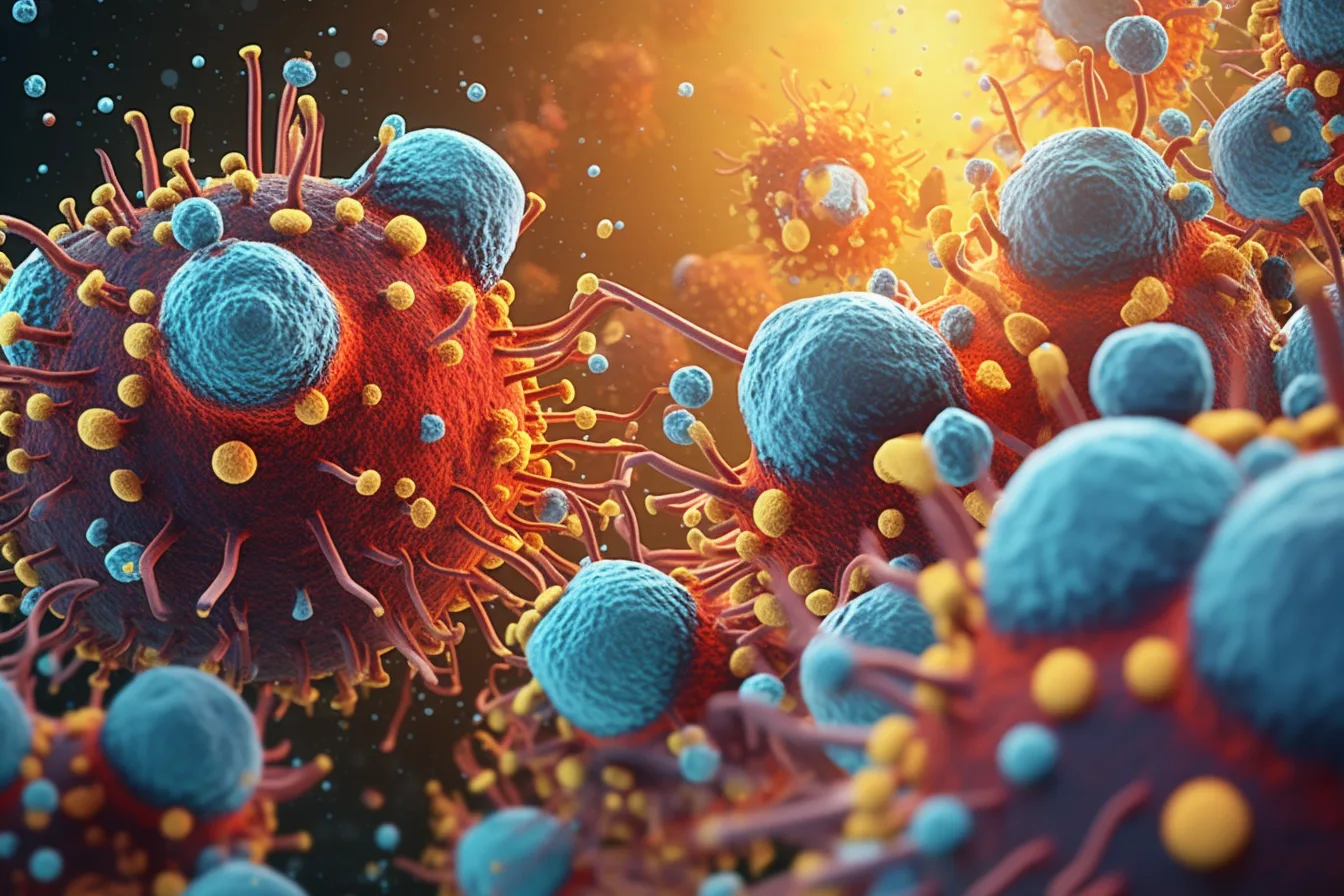
Image source: National Stem Cell Therapy, "The Significance of Exosomes in Stem Cell Research and Treatment" (June 2023) — nationalstemcelltherapy.com
What Exactly Are Exosomes?
To understand exosomes, it helps to look at how cells talk to each other. For decades, scientists believed that stem cells did all the heavy lifting in tissue repair by physically replacing damaged tissue. Today, we know they do something much smarter: they send instructions.
Exosomes are tiny, lipid-bound nanovesicles measuring just 30 to 150 nanometers in size. Released by almost all human cells, you can think of them as the body's highly secure molecular courier service. Packed inside these microscopic bubbles are:
- Signaling proteins and growth factors
- Lipids that restore cellular structures
- Regulatory RNAs (such as microRNA) that alter cellular behavior
When purified, clinical-grade exosome preparations are applied to damaged tissue, they deliver these targeted biochemical blueprints straight to the recipient cells, prompting an immediate, high-quality repair response.
How Exosomes Accelerate the 3 Stages of Wound Healing
Natural wound healing is a strict, three-phase process: Inflammation, Proliferation, and Remodeling. If a wound gets stuck in any of these phases, it leads to chronic ulcers or severe scarring. Exosomes act as a project manager for each stage.
| Healing Phase | What Normally Happens | How Exosomes Optimize It |
|---|---|---|
| Inflammation | The body clears debris, but prolonged inflammation causes tissue damage. | Exosomes carry anti-inflammatory molecules that actively shift the tissue microenvironment out of chronic inflammation and into active repair. |
| Proliferation | New tissue and blood vessels must be built rapidly. | They stimulate fibroblasts and keratinocytes to rebuild skin layers faster while signaling endothelial cells to sprout new capillaries, restoring vital blood and nutrient flow. |
| Remodeling | The wound closes, and collagen rearranges into strong tissue. | Exosomes upregulate structured collagen and elastin synthesis, leading to smoother, more organized skin tissue with significantly reduced risk of fibrosis (scarring). |
Clinical Applications in Advanced Dermatology
In Malaysia's top-tier dermatology clinics, specialists utilize exosome therapy across several distinct treatment pathways:
Post-Procedure Recovery Optimization
Advanced aesthetic treatments like fractional lasers, deep chemical peels, or microneedling rely on controlled micro-injuries to rejuvenate the skin. Applying microneedling exosomes or post-laser topical formulations drastically minimizes downtime, turning a week of redness into just a couple of days of mild pinkness.
Chronic Non-Healing Wounds
For patients managing diabetic ulcers or complex vascular wounds, healing often stalls entirely. Clinical applications using platelet-derived exosomes and stem-cell-derived vesicles have shown early promise in preliminary studies for restarting the natural healing cascade where traditional treatments have struggled, though larger clinical trials are still underway.
Scar Modulation and Anti-Aging
By organizing how collagen is laid down, exosomes prevent the formation of raised, hyperpigmented, or keloid scars, while simultaneously restoring dermal elasticity and skin texture.
Typical Delivery Methods
| Method | Description |
|---|---|
| Topical Application | Massaged into the skin immediately following micro-channeling procedures (like microneedling or fractional lasers) to guarantee deep dermal absorption. |
| Local Micro-Injections | Administered directly into or around the perimeter of a wound bed or scar for deeper, localized tissue intervention. |
| Combination Protocols | Paired directly with standard regenerative treatments like Platelet-Rich Plasma (PRP) to supercharge outcomes. |
Safety, Efficacy, and Regulation: What You Need to Know
Because exosome therapy is a highly specialized field of regenerative medicine, safety depends entirely on sourcing and clinical standards:
- Zero Cell Rejection Risks: Because exosomes are entirely cell-free, they do not carry the same immune rejection or uncontrolled cellular growth risks associated with living stem cell transplants.
- Source Quality is Non-Negotiable: True clinical-grade exosomes must come from rigorously screened, accredited laboratories. Unregulated or unverified products carry heavy risks of contamination or zero therapeutic potency.
- An Evolving Science: While clinical results are encouraging, exosome technology continues to develop rapidly. Patients must rely on certified medical providers who adhere to strict international health protocols.
Why Patients from around ASEAN Choose Malaysia
Medical travel requires a balance of proximity, cost, and absolute clinical trust. Malaysia has naturally become the primary destination for patients from Sumatra, East Java and many others for several reasons:
| Factor | Why It Matters |
|---|---|
| Clinical Standards | Malaysia's healthcare system is highly regulated by the Ministry of Health. Dermatology and aesthetic hubs in Kuala Lumpur and Penang feature board-certified specialists, state-of-the-art laboratory access, and stringent safety protocols. |
| Proximity & Convenience | Direct, short-haul flights connect various ASEAN cities to Malaysia's medical hubs daily. No severe time zones or drastic cultural barriers. |
| Cost-Effectiveness | Compared to Singapore, Australia, or Western countries, Malaysia offers highly competitive pricing for regenerative therapies without sacrificing medical safety or quality of care. |
Preparing for Your Treatment Journey: A Checklist
If you are planning to travel from Medan, Surabaya or anywhere else for exosome-assisted healing, keep these practical points in mind:
- Factor in Recovery Windows — Depending on whether your exosome treatment accompanies a laser, surgical scar revision, or microneedling, plan for 2 to 7 days of local stay for close clinical follow-up before flying home.
- Gather Your Records — Carry your full medical history, clear digital photographs of the wound or skin condition, any past biopsy results, and a complete list of current medications or allergies.
- Coordinate Post-Care Continuity — Ensure your chosen clinic coordinates seamlessly with remote telehealth consults so your recovery can be safely monitored once you return to Indonesia.
How MedBay Simplifies Your Healing Journey
Navigating medical options across borders shouldn't feel like guesswork. MedBay serves as your dedicated medical concierge, bridging the gap between international patients and Malaysia's premier, audited dermatology clinics.
From verifying the exact lab credentials of a clinic's exosome supply to handling airport transfers, hotel bookings, and language accommodations, MedBay ensures your entire medical trip is transparent, safe, and focused entirely on your recovery.
References and Further Reading
- Pinto, D., Giuliani, G., Mondadori, G., & Rinaldi, F. (2025). Exosomes in Dermatological Research. Cosmetics.
- Mayo Clinic Medical Professionals. (2025). Platelet-derived exosomes in aesthetics.
- Dal'Forno-Dini, T., Birck, M. S., Rocha, M., & Bagatin, E. (2025). Exosomes in dermatology. Anais Brasileiros de Dermatologia.
Ready to experience advanced cellular skin repair? If you are located in Medan or Surabaya and want to explore world-class exosome therapy options in Malaysia, let our team handle the logistics. Contact MedBay today for a personalized, complimentary clinic-matching consultation.