
What is a Hernia?
A hernia occurs when an internal organ or tissue pushes through a weak spot in the surrounding muscle or connective tissue complex that normally contains it. Most commonly, this involves a portion of the intestine or abdominal fat protruding through a defect in the abdominal wall.
Depending on the location, these protrusions typically present as a visible bulge or lump in the abdomen, the umbilicus (belly button), the groin (inguinal area), or, in men, tracking down into the scrotum.

While many hernias are initially asymptomatic or cause only mild discomfort, they do not heal on their own. If left untreated, a hernia can gradually enlarge, cause progressive pain, or lead to serious digestive complications. Consequently, surgical intervention is often recommended to repair the defect and safeguard your health.
Understanding the Risks: When Does a Hernia Become an Emergency?
The primary objective of hernia repair is to prevent two severe clinical complications:
- Incarceration: This happens when the herniated tissue becomes trapped outside the abdominal wall and cannot be gently pushed back in. It can lead to a bowel obstruction, blocking the passage of food and digestive waste.
- Strangulation (Medical Emergency): A critical situation where the blood supply to the trapped tissue or intestine is completely cut off. If not operated on immediately, the tissue can quickly become necrotic (die), leading to severe infection, sepsis, or perforation.
The Diagnostic Process
Before mapping out a surgical plan, a general surgeon will conduct a thorough clinical evaluation. This includes a detailed review of your medical history and a comprehensive physical examination (often asking you to stand, cough, or strain to make the hernia visible).
To precisely assess the size of the defect and check for trapped tissues, specialists in KL frequently utilize targeted diagnostic imaging, such as:
- Abdominal Ultrasound (USG): A non-invasive imaging technique using sound waves to visualize the hernia defect and assess tissue involvement.
- Computed Tomography (CT) Scan: Provides detailed cross-sectional images to precisely measure the hernia size and identify any trapped tissues.
- Magnetic Resonance Imaging (MRI): Offers detailed soft tissue imaging without radiation, particularly useful for complex or recurrent hernias.
Surgical Options in Kuala Lumpur: Open vs. Laparoscopic Repair
Kuala Lumpur is a premier medical hub known for its highly skilled general surgeons and advanced surgical facilities. Depending on your overall health, the size of the hernia, and whether it is a primary or recurrent condition, your surgeon will recommend one of two primary techniques:
1. Open Hernia Repair (Hernioplasty)
This is the traditional, time-tested approach to hernia correction.
- The Procedure: The surgeon makes a single incision (typically 6 to 8 cm) directly over the hernia. The protruding organ is returned to its proper position, and a sterile, flexible synthetic mesh is placed over the weakened muscle gap to reinforce the abdominal wall.
- The Advantages: Highly effective for complex, massive, or previously strangulated hernias. It can often be performed under local or regional anesthesia (like a spinal block) rather than general anesthesia.
- The Drawbacks: Results in a larger physical scar, slightly more postoperative wound discomfort, and a longer recovery period before returning to heavy physical labor.
- Recovery Timeline: Patients generally require a 1 to 2-night hospital stay for monitoring.
2. Laparoscopic Hernia Repair (Keyhole Surgery)
This is a modern, minimally invasive innovation that drastically reduces surgical trauma to the body.
- The Procedure: The surgeon makes a few tiny incisions (usually 0.5 to 1 cm) in the abdomen. A laparoscope (a thin tube with a camera) is inserted, projecting the surgical field onto a monitor. Specialized instruments are then used to repair the defect and secure the mesh from the inside out.
- The Advantages: Significantly less postoperative pain, minimal cosmetic scarring, lower risk of wound infections, and a much faster overall healing time.
- The Drawbacks: The procedure requires general anesthesia and can take slightly longer on the operating table.
- Recovery Timeline: Most laparoscopic patients require only a single-night hospital stay (or are treated as day cases) and can comfortably return to normal, light everyday activities within one week.
Taking the Next Step in KL
Because every patient's anatomy and medical history are unique, there is no one-size-fits-all approach to hernia management.
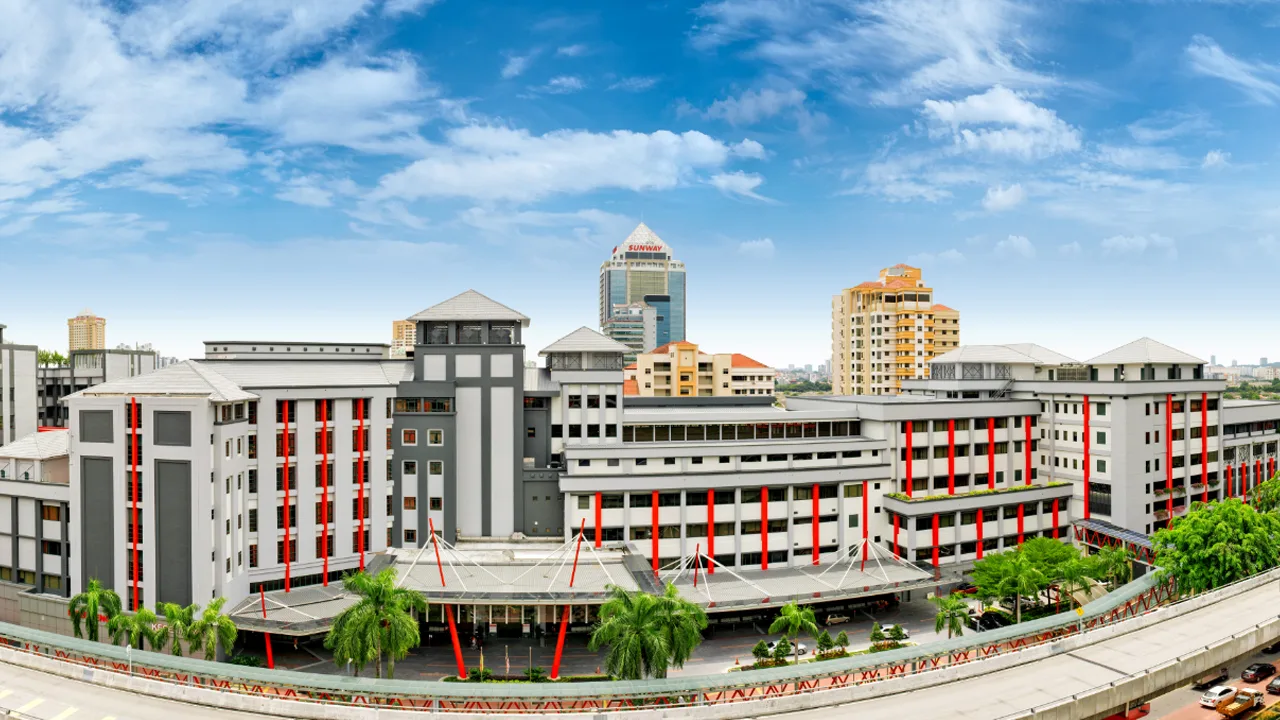
If you suspect you have a hernia or are experiencing persistent groin or abdominal discomfort, it is highly recommended to schedule a consultation with an experienced General Surgeon at a reputable KL hospital (such as Pantai Hospital, Gleneagles KL, or Ara Damansara Medical Centre) to secure an accurate diagnosis and discuss the optimal treatment pathway for you.